People are twice as likely to help when a friend asks. That's not a coincidence. Humans are wired to respond to people we trust, and that's the foundation every great peer-to-peer fundraising idea is built on.
It's also why the average peer-to-peer gift runs around $91—people give more when the ask comes from someone they know.
Your fundraisers are valuable changemakers who volunteer their time, tap into their personal networks, and show up for something they truly believe in: your mission. That kind of investment deserves more than just a fundraising page and well-wishes. Dedicated supporters like these need thoughtful onboarding, consistent encouragement, and tools that make the job easier.
This blog will share how to build that support from day one. By weaving recognition into every stage of the campaign (onboarding, mid-campaign, and wrap-up), fundraisers reach their potential and return for the next one.
Why Fundraisers Lose Steam
There’s a common pattern that shows up in peer-to-peer fundraising. A participant joins, customizes their page, and shares their story to their networks with genuine enthusiasm. They've raised money, maybe achieved a few milestones.
Then... fundraiser fatigue sets in. Initial donations slow. Participants get distracted by other commitments. It's the mid-campaign slump.
One strategy to prevent that is through practicing thoughtful stewardship tactics. When fundraisers feel seen and valued for their contributions, it's easier for them to stay active in the campaign and focused on why they chose to participate in the first place.
Recognition is the thread that holds it all together, ensuring their achievements are visible and celebrated from the first donation to the very last.
An Onboarding Email That Sets P2P Fundraisers Up For Success
Your peer-to-peer fundraisers are committed. Now it’s your job to make them feel ready to win.
Giving them everything they need from day one will help them know what to expect and how to get started. Send out a warm onboarding email that welcomes them into the fundraising community and maps out all their objectives:
- Customizable messaging templates: The hardest part of asking for money is knowing what to say. Pre-written social posts and email drafts can take that pressure off. All they have to do is personalize and hit send.
- Campaign timeline: Show them the full arc upfront. When the midpoint push happens, when the final sprint begins, when they'll be recognized along the way. Knowing what's ahead makes it easier to pace themselves.
- Fundraising resources: Let fundraisers and/or their team captains know what tools they have access to—their dashboard, team communication features, donation tracking, and anything else that helps them manage their campaign without having to figure it out on their own.
- Clear statements of impact: Remind them what the funds they're raising actually do. The more connected fundraisers feel to the real outcome of their work, the better of an advocate they’ll be when they reach out to donors.
Then close with something simple and human. Let them know you’ll be there when they get stuck, when they hit a wall, and when they hit a milestone worth celebrating. That kind of reassurance costs nothing, and it’s often what gives someone the confidence to push a little further than they thought they could.
Make a Big Deal Out of Fundraising’s Small Wins
Recognition isn't just for your top fundraisers. It’s for anyone who shows up and puts in time and energy. Celebrating small wins early sends a clear message that every effort counts.
Here are some easy goals to set:
- Fundraising page created: The first step that makes everything else possible. A complete page with a personal story and a photo turns a sign-up into a real fundraiser.
- First donation received: Whether it comes from a close friend or a family member, that first gift makes it real. The campaign has officially begun.
- Reaching 25% of their goal: Early progress is a powerful motivator. Acknowledging this moment keeps fundraisers moving before doubt has a chance to creep in.
- Reaching 50% of their goal: The halfway point deserves a real celebration. They've done the hard work of getting started, and they're not stopping now.
- First team donation (for team-based campaigns): When a teammate brings in their first gift, the whole team wins. Recognizing this builds collective momentum.
- Personal goal reached: This is the big one. Acknowledge it like it is—a real accomplishment that took time, courage, and persistence.
- Surpassing their goal: Some fundraisers will surprise themselves. When they do, make sure they know you noticed.
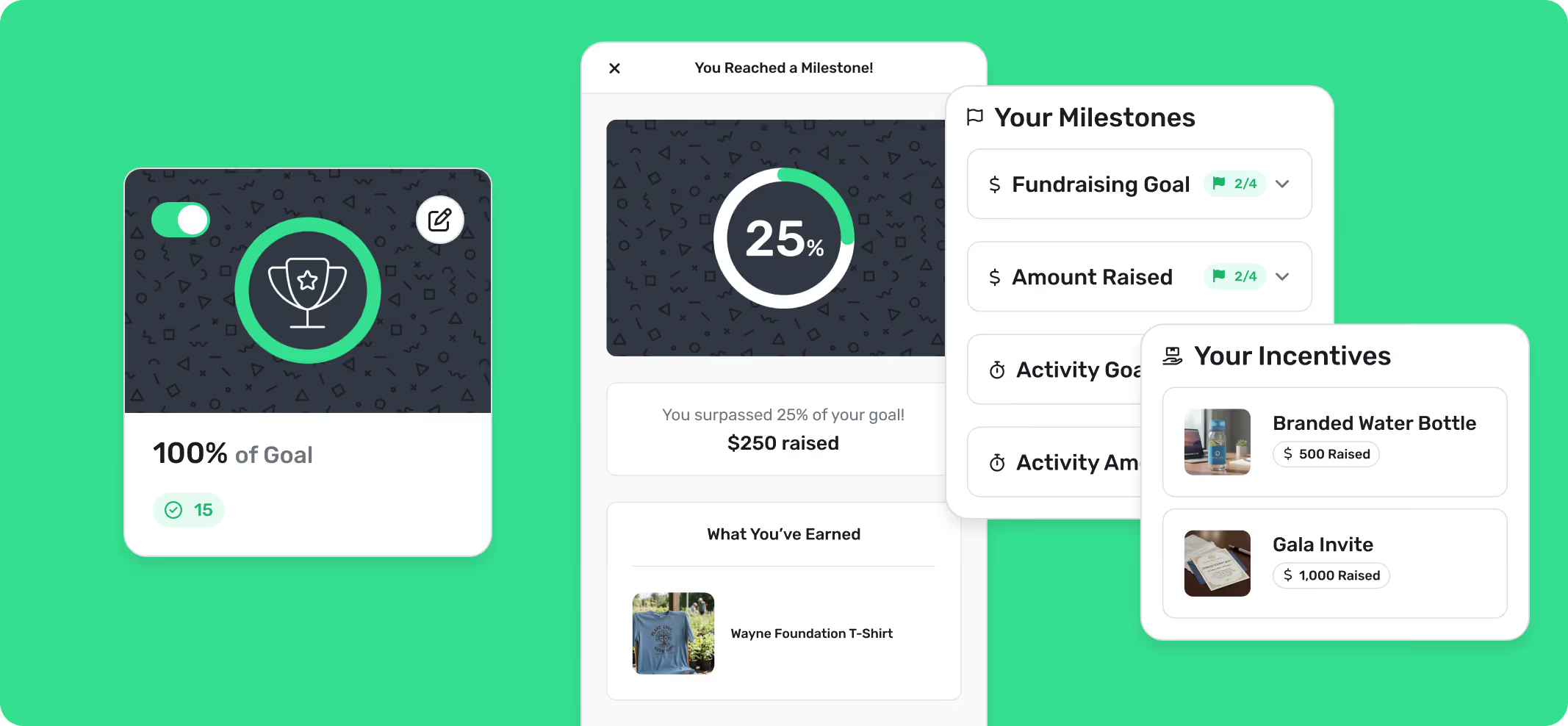
Some of these moments—like a fundraiser hitting 25% of their goal or surpassing their total—can be automated through Pledge It's Achievements tool. Set your thresholds once and the platform handles the recognition automatically, whether you have 50 fundraisers or 500. For the more personal moments, like a first donation or a quiet fundraiser who needs a nudge, that recognition works best one-on-one. A direct message from someone on your team goes further than any automated shoutout ever could.
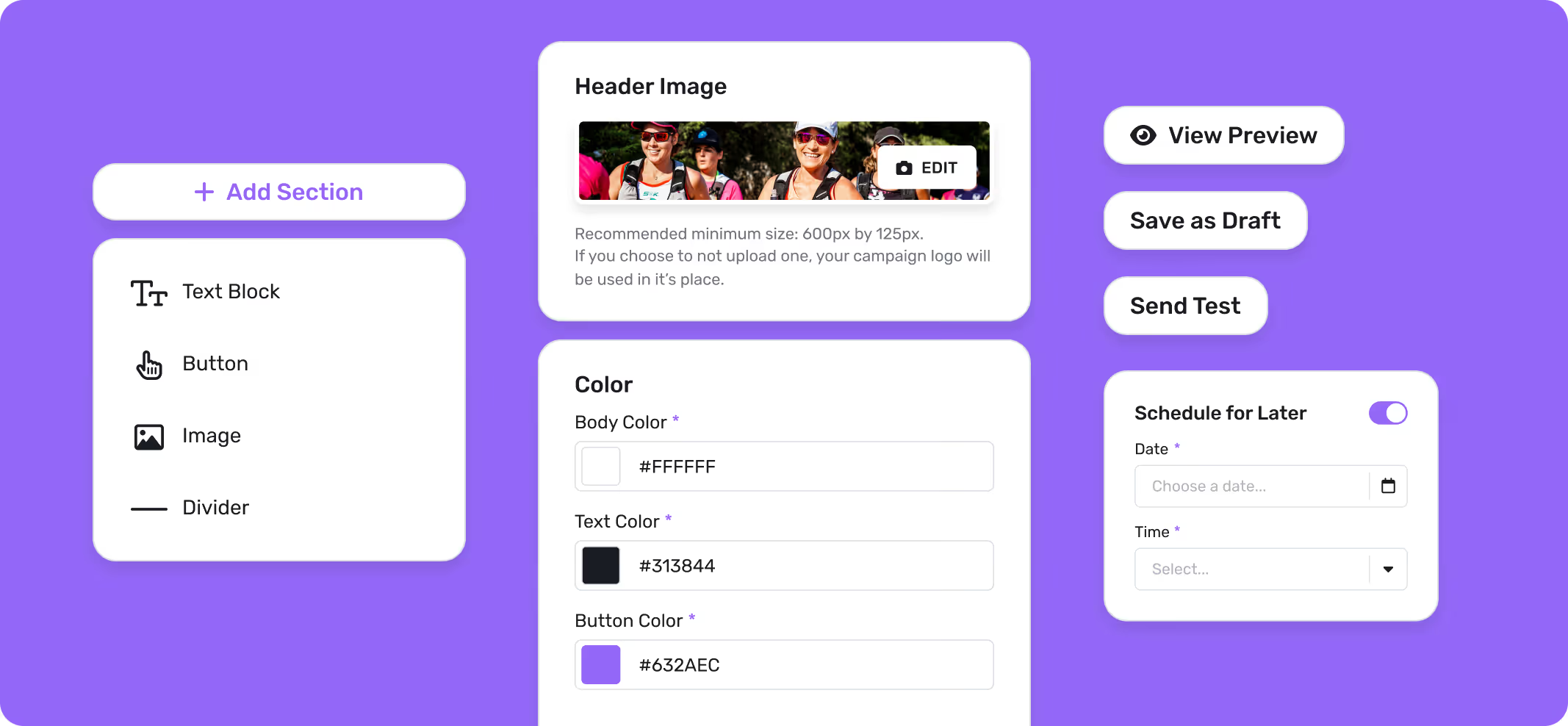
For broader campaign communications—updates to all fundraisers, messages to team captains, campaign-wide announcements—Pledge It's Message Center lets you schedule messages in advance, use pre-built templates, and keep your branding consistent across every touchpoint.
Quiet moments deserve recognition, too. A fundraiser who’s gone silent isn’t necessarily disengaged. Sometimes, they just need someone to notice they’re still there. When effort gets acknowledged, no matter how small, it gives people a reason to challenge themselves to go bigger.
When the campaign wraps, take stock of your campaign success. Who engaged, who hit their goals, who showed up consistently—those insights are what shape a stronger campaign next time around.
Fundraising Gamification: Milestones, Leaderboards, and Achievements
Gamification turns a lengthy campaign into a series of visible fundraising achievements that keep participants engaged from start to finish.
Milestones give fundraisers something to work toward. Think of it as a series of checkpoints that break a long campaign into manageable, meaningful moments. Instead of staring at a single goal that feels far away, fundraisers experience a series of smaller wins along the way. Each one builds momentum toward the next.
Pair those milestones with tangible incentives—a t-shirt, a hat, a piece of branded swag—and you give fundraisers an extra reason to push a little further than they planned.
Here's what that looks like in practice. Inside your Pledge It campaign, you can use the Achievements feature to define important milestones where you'd like to celebrate fundraiser success—say, raising $500 or reaching 100% of a personal fundraising goal. When creating these milestones, you can craft a personalized message that will automatically trigger to the fundraiser when they reach a milestone. No one on your team has to be watching the dashboard. No milestone goes unacknowledged because things got busy.
For impact-driven messages, it can look something like this:
- $100 milestone: "You just hit $100! That's one month of after-school programming for a student in our community. Thank you for showing up."
- $500 milestone: "$500 is a big deal. You just covered the cost of supplies for an entire classroom this semester. Keep going!"
- $1,000 milestone: "You raised $1,000. That's a full year of support for one family in our program. What you did here matters more than you know."
You can take things even further by pairing prizes or incentives with milestones, automatically notifying a fundraiser that they've earned some free swag. Pledge It takes care of tracking who earned what so you can focus on fulfilment and celebrating fundraiser success.
The Final Push and the Thank-You That Brings Them Back
The last 48 hours of a campaign are where momentum either carries everyone across the finish line or quietly fizzles out. Your job is to make sure it's the former. This is a great opportunity to use the Message Center.
Pledge It includes pre-built message templates designed around the final push, so you're not starting from scratch when the clock is ticking. Pull one up, customize it with your campaign's numbers, and send it to every fundraiser at once. Then keep the updates coming as you get closer, but make it intentional.
A message when you're $10,000 away reminds fundraisers the campaign isn't over yet. At $2,500 to go, the finish line is close enough to feel real. That could be one final push to their networks—the right message landing with the right group of people at the right moment.
If you have a donation match deadline approaching, that's an even stronger reason to send the message. Double the impact for every dollar raised between now and midnight is a hard thing to ignore. When the finish line is visible, people run faster.
Within 24 hours of campaign close, send a campaign-wide message to every fundraiser. Tell them exactly what the team accomplished together. For example:
“Together, we raised $85,000! All of our seniors will now be able to participate in mentorships and attend the exclusive events we have planned for the entire year. Thank you for all the hard work you put into fundraising. We could not have made this year special for our young adults without all the effort you put in.”
Then, follow up personally after the campaign with your top fundraisers and team captains. A direct, individual thank-you from someone on your team goes a long way for the people who showed up the most.
When fundraisers can see the direct line between their effort and a real outcome, the next campaign becomes something they want to be part of—not something they have to be asked twice to join.
Fundraising Platform: Choosing the Right Tools
The platform you choose shapes the entire fundraiser experience—for your team and theirs. A good one makes it easy for supporters to build personal fundraising pages, see their progress in real time, and feel connected to the campaign from start to finish. A bad one creates friction at exactly the moments when you need people to stay motivated.
When comparing options, look beyond the feature list. Ask how much your team will have to manage manually. Ask whether the platform can automate recognition, support team-based campaigns, and give fundraisers visibility into their own progress. The best platforms don't just process donations. They do the behind-the-scenes work that keeps a campaign moving.
Pledge It is built with that in mind. With built-in tools to drive donations, private team dashboards to help teams stay connected and on track, community updates to inspire and engage fundraisers, and automated milestone and incentive tracking, everything lives in one place, so your fundraisers get a better experience and your team isn't buried in spreadsheets.
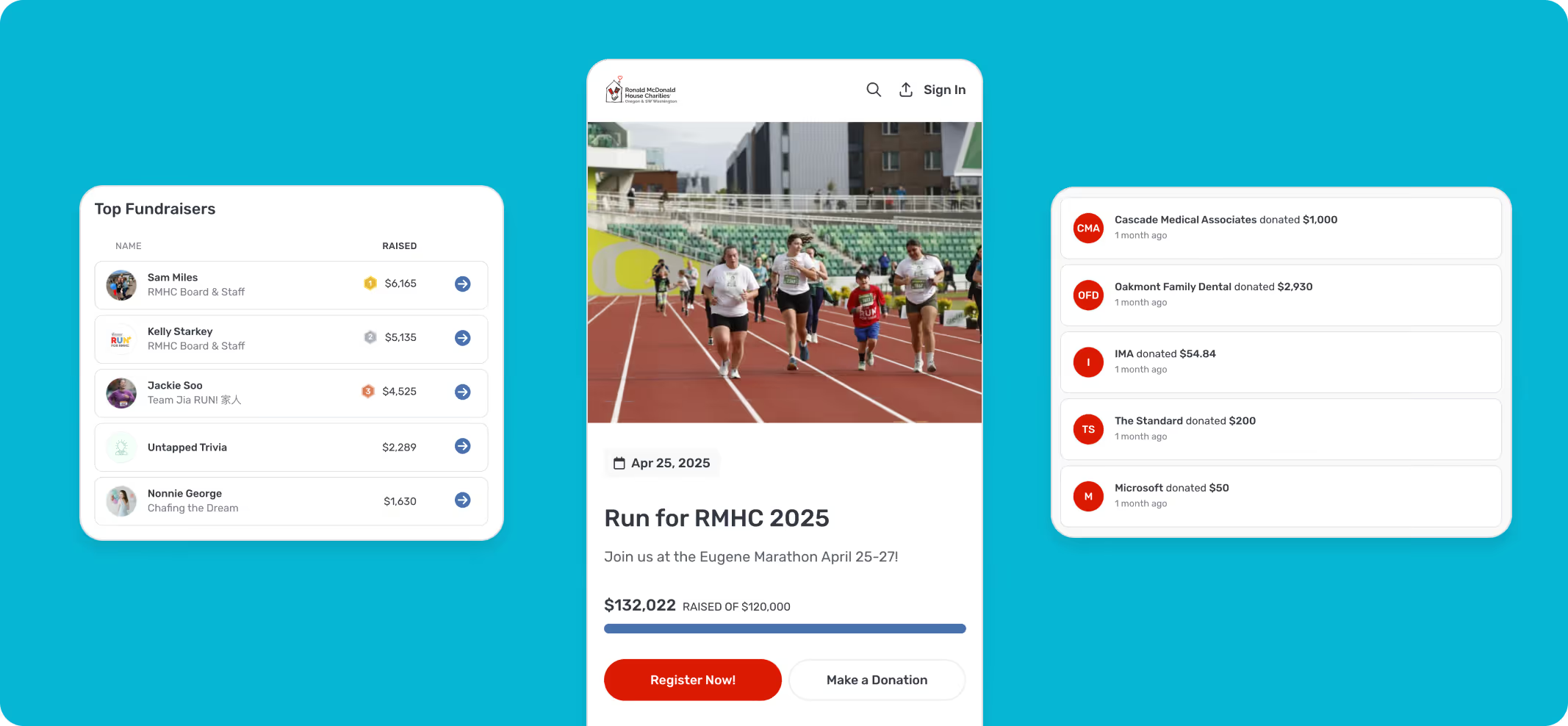
Ronald McDonald House Charities of Oregon & SW Washington saw it play out during its Eugene Marathon campaign. Simpler campaign management, automated communications, and flexible team fundraising options gave their participants everything they needed to perform. Participants averaged $538 each—well above the $391 industry standard—and the team exceeded their 2025 goal by 6%.
Putting It All Together: Fundraising Worth Coming Back to
Great peer-to-peer campaigns don't happen by accident. They're built on clear expectations, consistent support, and recognition that makes fundraisers feel like the whole campaign would look different without them—because it would.
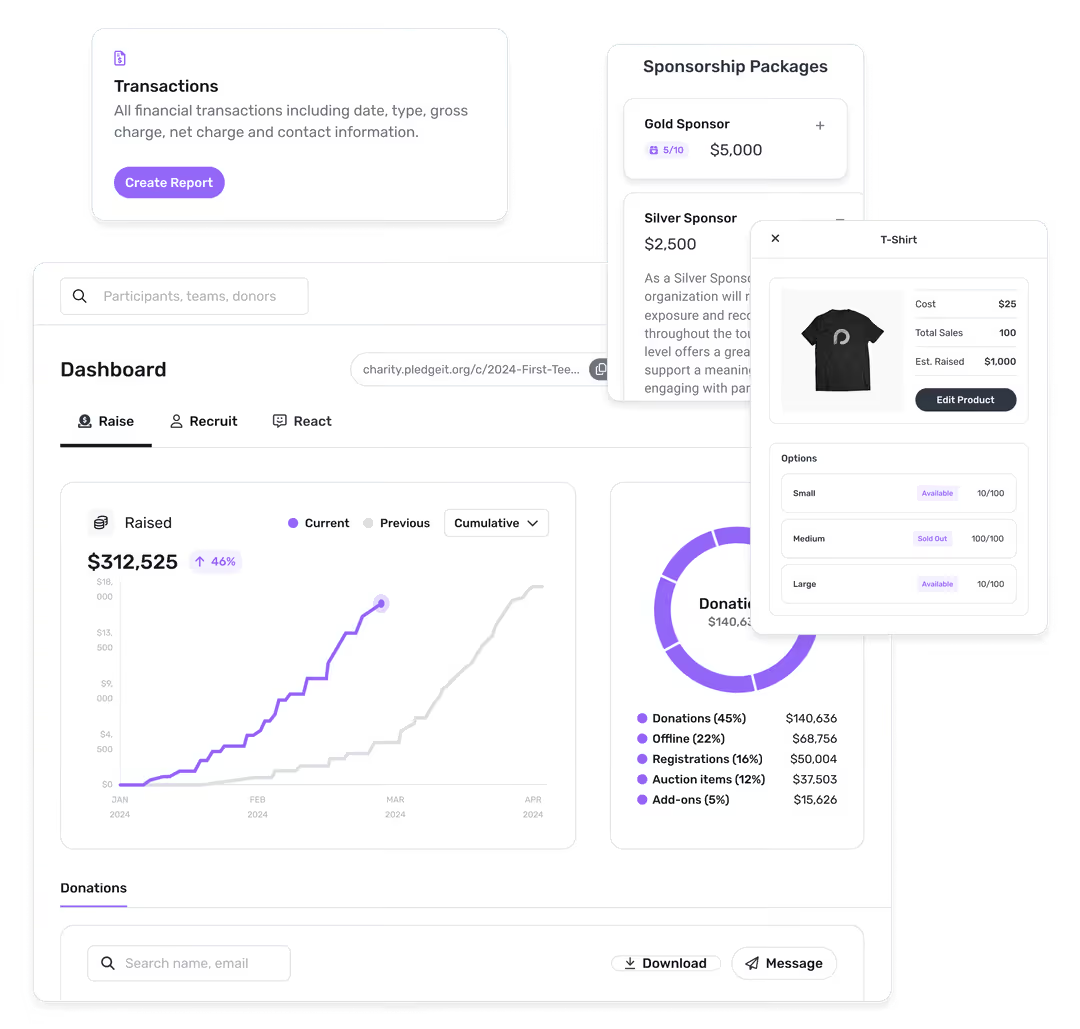
Ready to run a campaign where every fundraiser feels that way?
See how Pledge It's peer-to-peer fundraising tools and automated recognition work together to keep every fundraiser motivated—without adding to your team's workload.