The most common mistake? Too many options. When sponsors have to sort through 10 or 12 tiers with overlapping benefits and vague differences, the decision stops feeling straightforward, and sponsors who aren't sure tend to wait. This guide covers how to build clear, compelling sponsorship packages, find the right sponsors to pitch, and manage everything without burying your team in administrative work.
Why Most Sponsorship Packages Don't Work
Picture this: a potential sponsor visits your event page and sees something like Bronze, Silver, Gold, Platinum, Diamond, Ruby, Sapphire, Presenting, Title, Premier, and Community Friend. Eleven tiers. Each with a slightly different price and a list of benefits that mostly look the same. They scroll through, get overwhelmed, and close the tab.
This happens more than you'd think. Small organizations without a dedicated development team often build sponsorship programs by adding tiers over time, without stepping back to ask whether the whole thing actually makes sense to an outsider.
The good news: You don't need 10 tiers to run a strong sponsorship program. You need three or four, each with benefits that feel meaningfully different from the one below it.
How to Build Packages That Are Easy to Say Yes To
Start with your price points, then work backward. For each tier, ask: What can we realistically offer here that a sponsor would value? Think in three categories:
- Visibility is the baseline: Logo placement on your event page, social media mentions, inclusion in email campaigns. Most tiers should include some version of this, with higher tiers getting more prominent placement.
- Access goes further: Tickets to the event, reserved seating, the ability to bring a team. Sponsors want to show up for the causes they back, and making that easy matters. When tickets are already included, there's no back-and-forth about how many they get or how to claim them. It's part of the deal from the start.
- Experience is what separates your top tier: A naming right, a speaking moment, a branded activation on the event floor, or access to a VIP reception. This is what justifies a significantly higher price point.
A few principles to keep in mind:
More Tiers Doesn't Mean More Sponsors
More options don't make it easier to say yes. They make it harder. When sponsors have to evaluate 10+ tiers, they spend their energy comparing packages instead of getting excited about the one that's right for them.
Three or four tiers gives you a clear entry point for smaller local businesses, a middle option that feels like a genuine step up, and a top tier that feels premium and distinct. If you need a fifth or sixth level, make sure it earns its place with a benefit that doesn't exist anywhere else in your lineup—not just a slightly higher price tag.
Name Them for Your Mission, Not Metals
Bronze, Silver, and Gold are defaults, not decisions. They don't say anything about who you are or why a sponsor should care. Names tied to your mission do both. A youth mentorship nonprofit might use Friend, Advocate, Champion, and Presenting Sponsor. A conservation organization might use Steward, Protector, Guardian, and Legacy Partner.
Whatever you choose, make it feel intentional. Sponsors are more likely to remember and talk about a package name that means something.
Make the Differences Obvious
If you have to explain why two tiers are different, they probably aren't different enough. Each level should have at least one benefit the tier below doesn't, such as a specific visibility upgrade, an additional ticket allotment, a named recognition moment, or exclusive access to something at the event.
When the differences are clear, sponsors can self-select quickly. They know exactly what they're getting and what they'd gain by going up a level.
Be Specific About What You're Promising
Vague benefits don't build confidence. "Social media promotion" could mean one Instagram story or a dedicated post to 10,000 followers. Sponsors don't know, and that uncertainty can make them hesitant.
Replace every vague benefit with something measurable: "Logo featured in three pre-event emails to 2,000+ subscribers," "Name announced from the stage during the program," or "Reserved table for eight with priority seating." Specificity signals that you've thought this through and that you'll follow through.
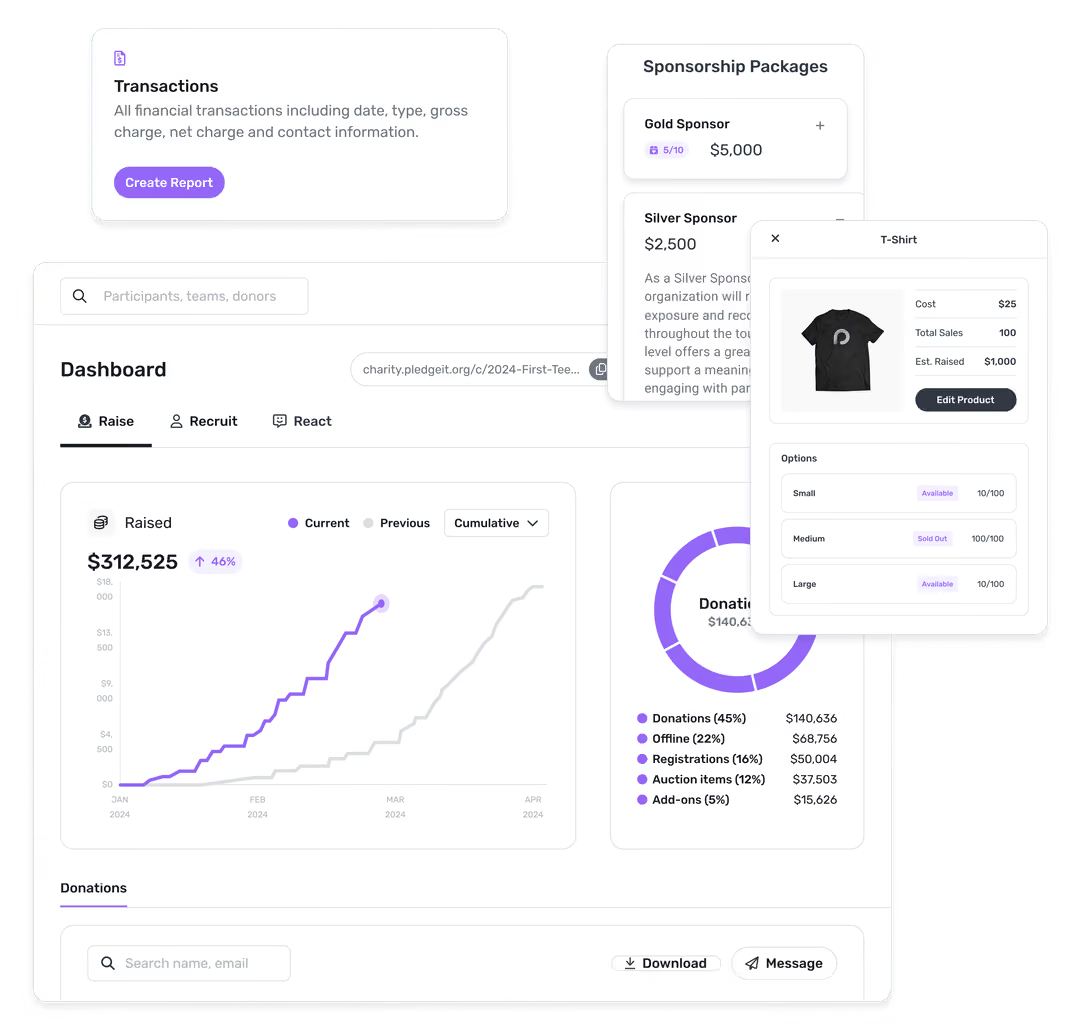
With Pledge It's Sponsors feature, you can build each package with a name, description, price, quantity limit, and a benefits list, all in one place. You can even add tickets to packages, so sponsors have instant access to complimentary registrations. Once customized, you can display your Sponsorship Packages directly on your campaign page for sponsors to browse and purchase without having to email you for details. If a package sells out, it's automatically marked as such.
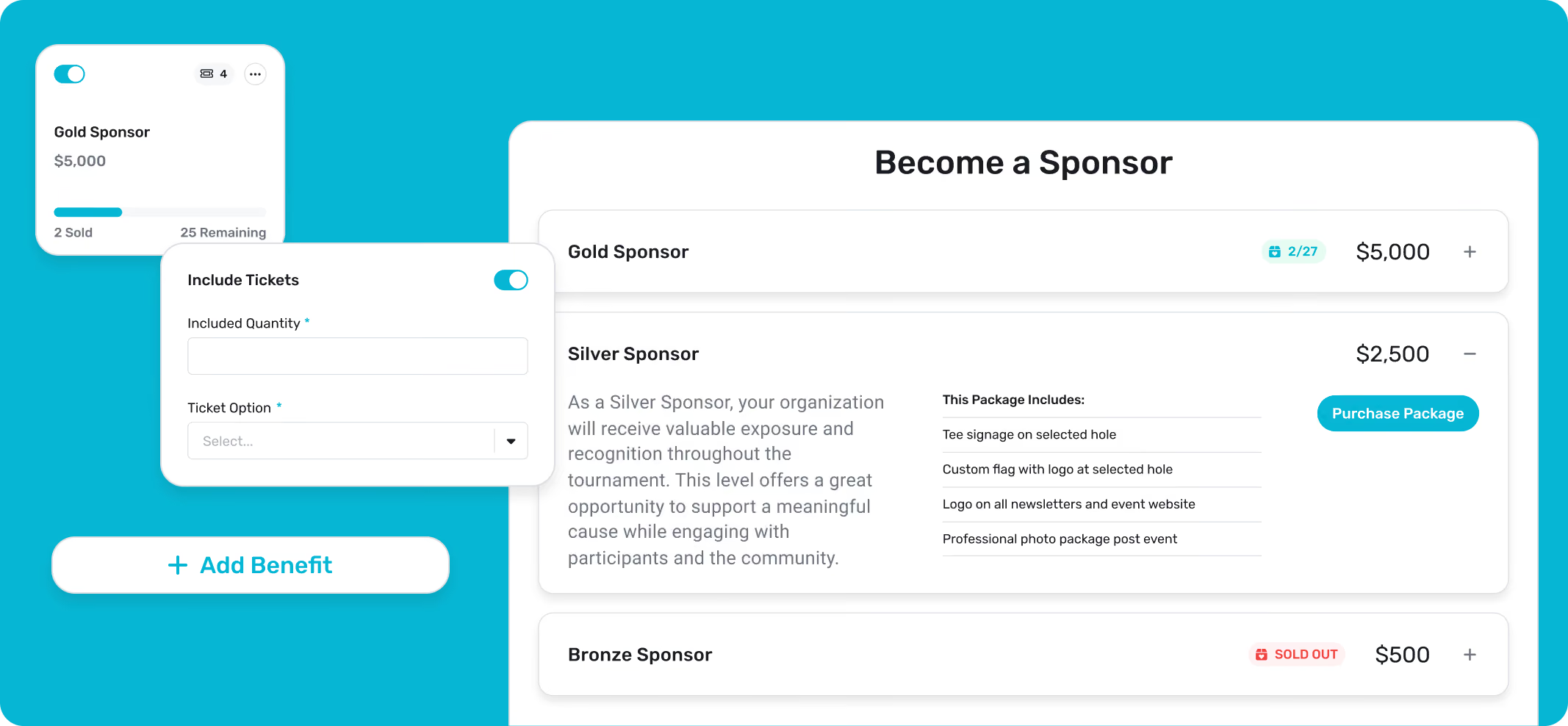
Need to put together something custom for a specific sponsor? You can create an exclusive package, keep it hidden from public purchase, and sell it internally through your dashboard, so your top-tier sponsor gets exactly what you negotiated without it showing up as a public option. You can also customize any package you’re adding offline, tailoring the price or number of tickets included to easily support in-kind sponsors or give long-time sponsors extra perks.
Finding the Right Sponsors to Pitch
A well-designed package is only useful if the right people see it. Rather than sending your proposal to a generic list, start close to home.
Previous sponsors are your easiest ask. They know your event, they've seen how you operate, and they already trust you. From there, look for businesses with a reason to care. Mission-aligned companies—a local clinic for a healthcare nonprofit, a family-owned retailer for a youth program—are more receptive than cold outreach to strangers. So are businesses whose customers overlap with your supporters. If sponsoring your event puts their brand in front of people already inclined to like them, that's a straightforward value proposition.
Don't overlook your current donors, volunteers, and participants as a source of leads either. They already have relationships with local businesses you might never reach on your own and educating them about sponsorship opportunities can open those doors. When running a P2P campaign on Pledge It, sponsorships can be credited to fundraisers and teams, allowing participants to recruit more than just donors for your cause and giving you an opportunity to build rapport with new businesses from the ground up.
The more alignment you can point to upfront (shared values, shared audience, shared goals) the easier the first conversation will be.
Making It Easy to Commit and Pay
Once a sponsor is ready to move forward, don't make them work for it. Some sponsors will pay online immediately. Others, especially larger organizations, need to run payments through accounts payable, which means they'll want an invoice or need to send a check.
Pledge It supports all of this. Sponsors can pay online directly through your campaign page, or you can add them offline and track their payment status from your dashboard. If a sponsor needs an invoice, you can issue one through the platform. You'll always know who's paid, who hasn't, and who needs a follow-up, without digging through your inbox. And when you're ready to follow up or send event details, you can message sponsors directly from that same dashboard without ever exporting a contact list.
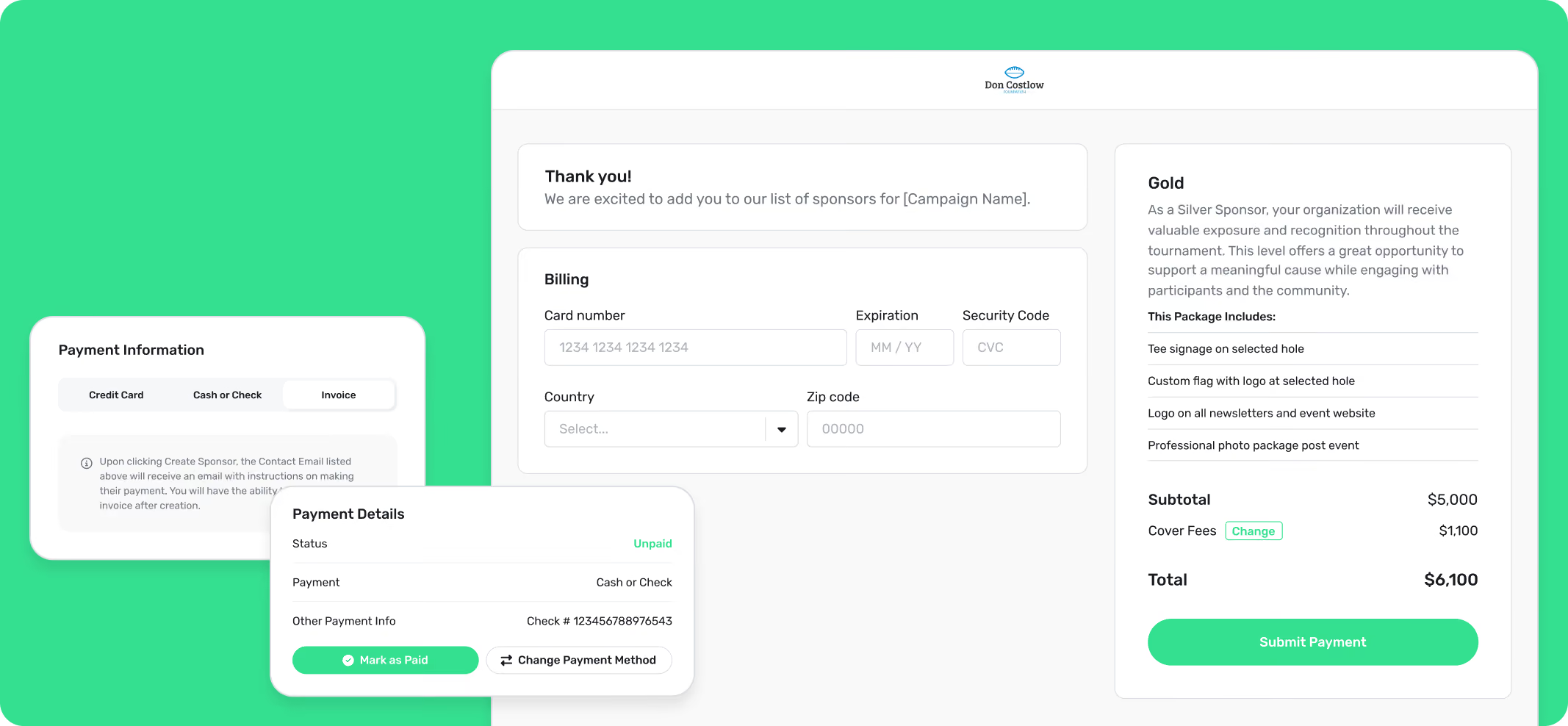
Once a sponsor commits, they'll automatically receive a receipt that includes their package details and payment method. You can customize that receipt to include a thank you message, next steps, and their ticket invite code if applicable, so the first thing a new sponsor hears from you is organized, warm, and exactly what they need to get started.
If tickets are included in a sponsor's package, that's handled in one place, too. Sponsors receive a unique invite code their guests can use to register, with the option to keep that ticket type hidden from the general public.
Recognition That Runs Itself
Sponsors notice when their logo is missing, when their name is misspelled, or when their tickets never show up. To a sponsor, those aren't small details. They're signals about how the rest of the relationship will go.
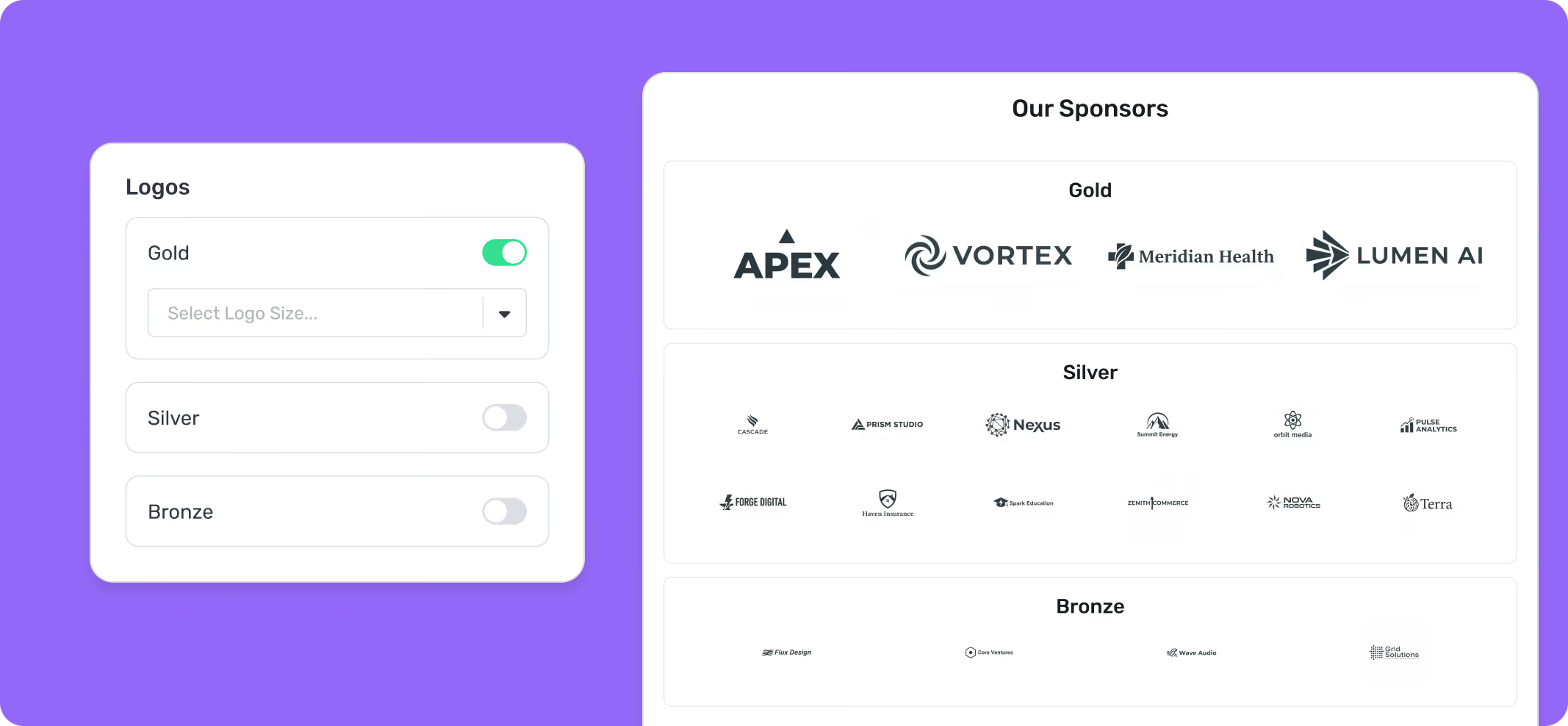
The fix is to tie recognition directly to the package rather than manage it as a separate task. With Pledge It's automated sponsor logo display, logos populate to the correct tier the moment a sponsor commits, whether they paid online or you recorded an offline payment. If a sponsor hasn't provided a logo in the checkout process, their name displays instead. You can also customize the display title, which tiers will display, logo sizes, and color theme to match your event branding.
After the Event: Keeping Sponsors Warm
Retention is what drives a sponsorship program's growth year over year. Sponsors renew when they feel like their investment was worth it and when they hear from you before you need something from them again.
A simple post-event timeline goes a long way:
- Within 48 hours: Thank them with photos, a fundraising recap, and a specific callout of their contribution.
- One week out: Share one story about what their sponsorship made possible.
- Three months later: Send an impact update to keep the mission top of mind.
- Six months out: Reach out about next year before their budget is already spoken for.
It's a light lift, and it makes a real difference. Sponsors who hear from you between events are far more likely to renew and upgrade.
Build a Sponsorship Program Worth Coming Back To
A strong sponsorship program doesn't require a massive event or a dedicated development team. It requires clear packages, the right outreach, and a process that makes sponsors feel like their investment was in good hands.
Start with three or four tiers that are easy to understand and hard to say no to. Be intentional about who you pitch. And let your tools handle the logistics so your team can focus on what builds relationships—the conversations, the follow-ups, and the moments that make sponsors proud to have their name on your event.
Ready to build a sponsorship program that works?
See how Pledge It makes it easy.